

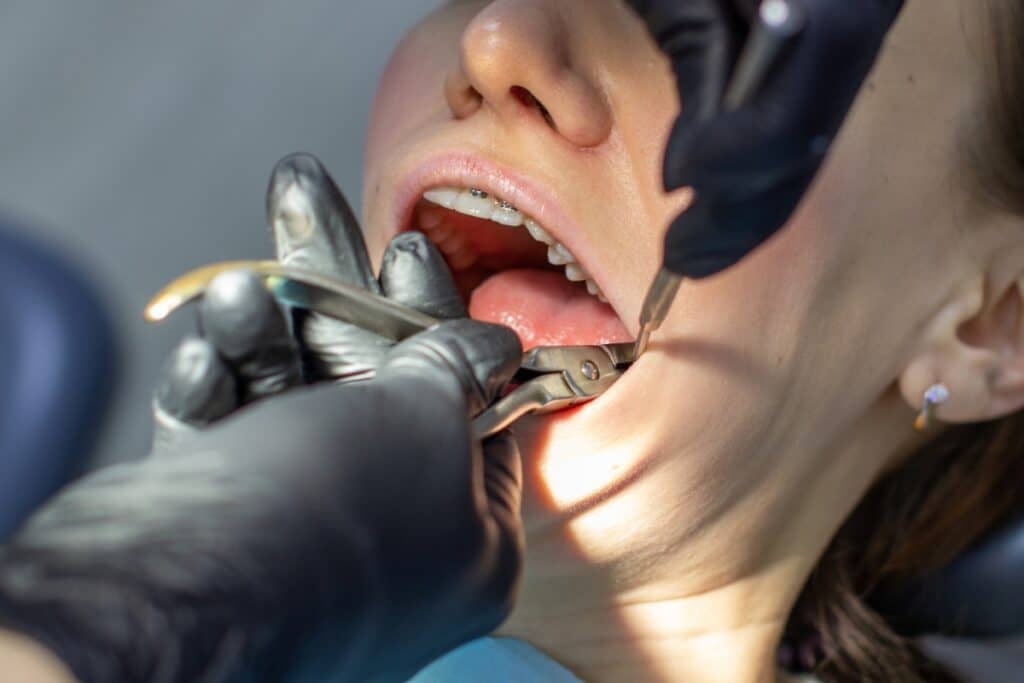
Getting a tooth pulled is common millions of people go through a tooth extraction every year for everything from wisdom teeth to severely decayed molars. Most people heal without any issues. But there’s one complication that can turn a smooth recovery into a painful setback: dry socket.
If you’ve recently had a dental extraction or one is scheduled soon, understanding how to prevent dry socket can save you days of unnecessary discomfort. This guide walks you through exactly what causes it, how to avoid it, and what to do if something feels off during healing.
What Is Dry Socket, Exactly?
After a tooth extraction, a blood clot forms in the empty socket. This clot is essential it protects the underlying bone and nerves while new tissue grows in.
Dry socket (dentists call it alveolar osteitis) happens when that clot is dislodged, dissolves too early, or never forms properly. Without it, the bone and nerve endings are left exposed to air, food, and bacteria.
The result is usually a throbbing pain that starts two to four days after the procedure and can radiate to your ear or jaw. It’s uncomfortable, but the good news is that it’s largely preventable.
Who Is Most at Risk?
Not everyone faces the same odds. You may be more prone to dry socket if you:
- Smoke or use tobacco products
- Take birth control pills or other hormonal medications
- Have had dry socket before
- Had a difficult or surgical extraction (like impacted wisdom teeth)
- Don’t follow post-extraction care instructions closely
Knowing your risk level helps you take the right precautions from day one.
How to Prevent Dry Socket: Step-by-Step Guidance
Prevention largely comes down to protecting that blood clot during the first few critical days after your tooth extraction. Here’s how.
1. Avoid Using Straws
This sounds minor, but the suction created by drinking through a straw can literally pull the clot right out of the socket. Skip straws for at least a week, and sip drinks directly from a cup instead.
2. Don’t Smoke or Vape After Extraction
Smoking is one of the biggest risk factors for dry socket. The sucking motion, combined with chemicals in tobacco smoke, interferes with clot formation and slows healing significantly. If possible, avoid smoking for at least 48–72 hours longer is even better.
3. Stick to Soft Foods
For the first few days, choose foods that require little to no chewing near the extraction site:
- Yogurt
- Mashed potatoes
- Smoothies (eaten with a spoon, not a straw)
- Scrambled eggs
- Soup (lukewarm, not hot)
Avoid crunchy, sticky, or spicy foods that could irritate the area or dislodge the clot.
4. Be Gentle When Brushing and Rinsing
Oral hygiene still matters after a tooth extraction, but you’ll need to modify your routine temporarily:
- Avoid brushing directly over the extraction site for the first 24 hours
- Skip vigorous rinsing or spitting
- After 24 hours, gently rinse with warm salt water to keep the area clean
5. Avoid Vigorous Physical Activity
Strenuous exercise increases blood pressure, which can dislodge the clot or cause increased bleeding. Rest for the first day or two, and ease back into normal activity gradually.
6. Follow Your Dentist’s Aftercare Instructions Precisely
Every case is a little different depending on the complexity of the extraction. Your dentist will give you specific instructions on medications, gauze changes, and follow-up care. Following them closely is one of the most reliable ways to prevent complications.
Signs of Dry Socket to Watch For
Even with the best precautions, it’s smart to know the warning signs so you can act quickly if something goes wrong:
- Severe pain starting 2–4 days after extraction
- Visible bone in the socket
- A bad taste or odor in the mouth
- Pain radiating to the ear, eye, or neck on the same side
If you notice any of these symptoms, don’t wait it out. Contact your dental provider right away dry socket needs professional treatment to heal properly and comfortably.
Why Choosing the Right Provider Matters
Prevention doesn’t start after your appointment it starts with the extraction itself. A well-performed tooth extraction, done with proper technique and clear aftercare guidance, dramatically lowers your risk of complications like dry socket.
This is one reason patients searching for a trusted dentist in Quincy residents recommend often ask about the provider’s approach to extractions and recovery support, not just the procedure itself. A thorough consultation, clear instructions, and a follow-up plan all make a real difference in how smoothly you heal.
How Long Does Recovery Typically Take?
Most patients see significant improvement within 3–7 days after a routine tooth extraction. Full healing of the gum tissue can take a couple of weeks, while the bone underneath continues remodeling for several months. As long as you’re following aftercare steps and not seeing any warning signs, mild soreness during this window is completely normal.
Final Thoughts: Healing Starts With the Right Care
Dry socket is uncomfortable, but it’s also one of the most preventable complications following a tooth extraction. By avoiding straws and smoking, sticking to soft foods, keeping the area clean without disturbing it, and following your dentist’s instructions, you give your body the best possible environment to heal.
At Cornerstone Dental Health, our team walks every patient through personalized aftercare so recovery feels manageable, not stressful. Whether you need a routine extraction or a more complex procedure, we’re here to guide you through every step from the chair to full recovery.
Contact us today for your appointment and experience extraction care built around comfort, clarity, and confidence.
Questions Patients Often Ask Us
Is some pain and swelling normal after a tooth extraction?
Yes. Mild to moderate soreness and swelling in the first 2–3 days is expected and usually manageable with over-the-counter pain relief and ice packs.
When can I go back to eating normally?
Most people can gradually return to regular foods within about a week, once the socket has closed and healed enough to handle chewing near that area.
What if I accidentally dislodge the clot?
Don’t panic, but do call your dental office. Depending on timing and symptoms, they may want to check the site and provide guidance or treatment.
Can I take ibuprofen or aspirin for pain relief?
Ibuprofen is generally fine unless your dentist advises otherwise, but aspirin can thin the blood and may affect clotting always confirm with your provider first.
How do I know if it’s just normal soreness or something more serious?
Normal soreness tends to improve daily. If pain suddenly worsens a few days in, or you notice a bad taste, odor, or visible bone, reach out to your dentist promptly.
Is it safe to fly or travel shortly after an extraction?
Short trips are usually fine, but it’s best to avoid strenuous travel days immediately after the procedure. If you have specific travel plans, mention them during your consultation so your dentist can tailor advice.
