

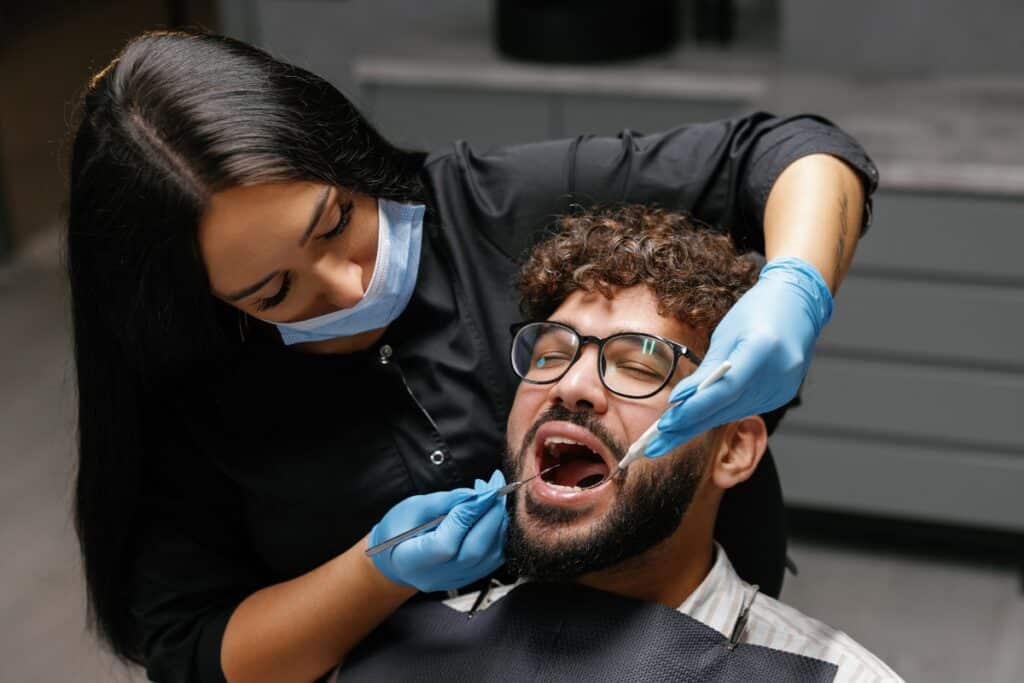
Do your teeth feel more sensitive than they used to, or have you noticed small chips or discoloration creeping in over time? You’re not alone. Many people search for ways to strengthen their teeth naturally, but few know where to start. The good news is that teeth stronger, healthier teeth are within reach with the right daily habits and professional guidance from a trusted dentist in Quincy.
In this guide, we’ll walk through practical, easy-to-follow tips for building stronger enamel, preventing decay, and maintaining a healthy smile for years to come.
Why Tooth Strength Matters
Your teeth do more than help you chew and smile they support your jaw structure, aid in speech, and protect against infection. Weak or damaged enamel can lead to:
- Increased sensitivity to hot, cold, or sweet foods
- Higher risk of cavities and decay
- Chipping or cracking under normal pressure
- Discoloration and a dull appearance
Fortunately, enamel and gum health can be improved with consistent care and the right professional support.
1. Master the Basics: Brushing and Flossing
It sounds simple, but most tooth weakness starts with inconsistent basics.
Brush the Right Way
- Use a soft-bristled toothbrush to avoid wearing down enamel
- Brush twice daily for two minutes each time
- Choose a fluoride toothpaste, since fluoride helps remineralize enamel
- Replace your toothbrush every three months
Don’t Skip Flossing
Flossing removes plaque and food particles between teeth that brushing alone can’t reach. Skipping this step allows bacteria to build up, which weakens both teeth and gums over time.
2. Eat for Stronger Teeth
What you eat has a direct impact on enamel strength. Certain nutrients play a key role in keeping teeth resilient.
Foods That Strengthen Teeth
- Dairy Products (Milk, Cheese, Yogurt): Rich in calcium and phosphates, which help strengthen tooth enamel and support healthy teeth.
- Leafy Greens: Packed with essential vitamins and minerals that help support healthy gums and overall oral health.
- Crunchy Fruits and Vegetables: Foods like apples and carrots can stimulate saliva production and help naturally clean the surfaces of your teeth.
- Nuts and Seeds: Provide minerals such as calcium and phosphorus that contribute to strong, healthy tooth enamel.
Foods to Limit
- Sugary snacks and sodas, which feed bacteria that erode enamel
- Highly acidic foods and drinks (citrus, vinegar-based dressings) in excess
- Sticky candies that cling to tooth surfaces
Transitioning to a tooth-friendly diet doesn’t mean giving up your favorite treats entirely moderation and timing (like eating sweets with meals rather than alone) can make a big difference.
3. Stay Hydrated and Rinse Smart
Saliva is your mouth’s natural defense system. It washes away food particles and neutralizes harmful acids. Drinking plenty of water throughout the day supports saliva production and helps rinse away debris between brushings.
Additionally, an alcohol-free fluoride mouthwash can offer extra protection by strengthening enamel and reducing bacteria especially useful for people prone to cavities.
4. Avoid Habits That Weaken Enamel
Some everyday habits quietly damage teeth without you realizing it. Being mindful of these can go a long way toward preserving strength:
- Avoid using your teeth as tools (opening packages, biting nails)
- Reduce grinding or clenching, which wears down enamel over time a nightguard can help if this happens during sleep
- Limit tobacco and excessive alcohol use, both of which affect enamel and gum health
- Cut back on carbonated drinks, even diet versions, due to their acidity
5. Consider Enamel-Strengthening Treatments
While good habits form the foundation of dental health, some situations call for professional intervention. A qualified dentist can offer treatments such as:
- Fluoride treatments to remineralize weak spots
- Dental sealants to protect molars from decay
- Custom nightguards for teeth grinding
- Professional cleanings to remove tartar buildup that brushing can’t reach
If you’re dealing with ongoing sensitivity, visible enamel wear, or frequent cavities, it’s worth scheduling a checkup with a dentist Quincy patients trust for personalized recommendations.
6. Don’t Skip Regular Dental Checkups
Even with excellent home care, professional checkups are essential. Routine visits allow your dentist to catch small issues like early decay or enamel erosion before they become bigger, more costly problems.
What to Expect at a Checkup
- A thorough cleaning to remove plaque and tartar
- X-rays (as needed) to detect hidden issues
- A personalized assessment of your enamel and gum health
- Guidance tailored to your specific dental habits and concerns
Most dental professionals recommend visiting every six months, though your specific needs may call for more frequent visits.
Common Questions from Our Patients
Can weakened enamel be reversed?
Enamel can be strengthened and remineralized in its early stages through fluoride, a balanced diet, and good oral hygiene. However, once enamel has worn away significantly, it cannot regenerate on its own which is why prevention and early treatment matter so much.
Are electric toothbrushes better for strengthening teeth?
Electric toothbrushes can be more effective at removing plaque consistently, which supports overall tooth strength. That said, proper technique with a manual brush works well too consistency matters more than the tool itself.
How do I know if my teeth are getting weaker?
Common signs include increased sensitivity, visible chips or rough edges, and a yellowish tint where enamel has thinned. If you notice any of these changes, it’s a good idea to schedule a checkup.
Is it too late to strengthen my teeth if I already have some damage?
Not at all. While enamel loss can’t fully reverse, treatments like fluoride applications, sealants, and better daily habits can prevent further damage and protect your remaining enamel.
Do kids need the same enamel-strengthening tips as adults?
Yes, with some adjustments. Children benefit greatly from fluoride toothpaste, sealants, and limiting sugary snacks, since their enamel is still developing and more vulnerable to early decay.
How often should I really be flossing?
Ideally once a day. Flossing removes debris from between teeth that brushing misses, helping prevent the plaque buildup that leads to weakened enamel and gum disease.
Final Thoughts: Build Stronger Teeth, One Habit at a Time
Strong, healthy teeth don’t happen overnight they’re the result of consistent daily habits, smart dietary choices, and regular professional care. By brushing properly, eating tooth-friendly foods, staying hydrated, and avoiding damaging habits, you can significantly improve your enamel strength and overall oral health.
Of course, personalized guidance makes all the difference. If you’re looking for a dependable dentist in Quincy to help assess your enamel health and create a plan tailored to your needs, our team at Cornerstone Dental Health in Quincy, IL 62301 is here to help.
Contact us today for your appointment and take the first step toward a stronger, healthier smile that lasts a lifetime.
